All changes, all transitions, all moments of evolution in life bring a certain restlessness, a sense of instability, and a need for reference points. That is exactly what I am experiencing right now.
My work as an analog photographer was very clearly defined. I had learned to master film development, controlling every parameter and integrating them naturally. Preparing the solutions, controlling temperatures, setting the timings, performing the rotations correctly, and so on. The process of drying and cleaning negatives was also highly automated for me. Scanning, although especially tedious, was perfectly structured into a series of steps that I followed meticulously to achieve the image quality I sought in my photographic edits. Despite all the work it required, it was a world I knew and mastered, so I moved within it with complete confidence.
Despite the mastery I had gained over the entire analog process, many of its procedures were suffocating me. They required so much time and so many repetitive steps that, eventually, tedium and exhaustion took over. In fact, I became so drained that for several months I felt the need to disconnect and forget about photography altogether. That time helped me regain strength and, although I didn’t miss many of the procedures, I did miss the photographic experience itself immensely: picking up the camera, getting in the car, planning a route, getting lost on back roads, venturing into unfamiliar places, discovering small hidden gems, and so on. Once you have lived all those sensations, giving them up becomes a very painful renunciation. So I began to look for a balance between the appeal of analog photography and the convenience of the digital world.
One of the options was to delegate the most tedious part of the process to a professional lab, so I decided to hire that service for the five rolls I had waiting to be scanned. The first difference compared with doing it at home was the price. Scanning, even when you send the rolls already developed, is tremendously expensive. The second difference was the lack of care throughout the process, since they didn’t respect the order of the photos or the rolls, and many images even “disappeared.” And the last major difference was the image quality, because despite being a professional Noritsu scanner, the results seemed far harsher and poorer than what I used to obtain with my Plustek Opticfilm 8300. The images arrived extremely contrasty, with a harsh grain, artificially defined, and with a much smaller dynamic range. I must admit that all these differences caused great disappointment and led me to completely rule out delegating the analog process to an external lab.
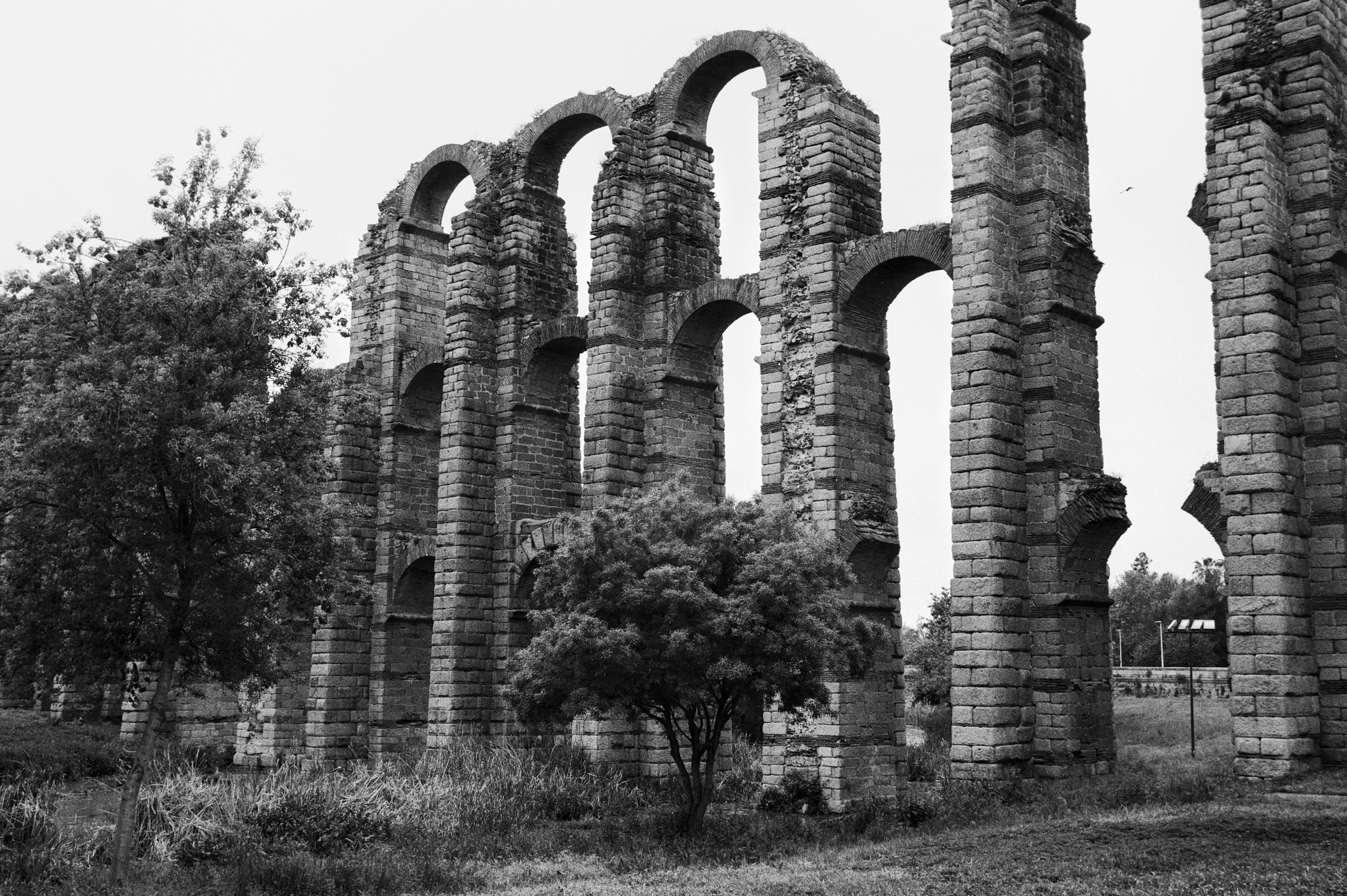
The photograph I am sharing today is a testament to this experience. Although the image quality appears quite good at first glance, the editing has been much more limited, because adjusting the different lights and shadows in an extremely contrasty image is almost impossible, and the result has lost much of my personal touch. It feels as if I were used to working with a RAW file and suddenly found myself with a JPEG that already has a color filter applied. I acknowledge that delegating the entire process is very convenient, but it comes at the cost of giving up creativity and personal vision. That is a sacrifice I am not willing to make, so I’m afraid that my analog stage has come to an end. One stage ends, but another begins to open. I hope it proves to be just as stimulating as the previous one and offers me, at the very least, just as many experiences.
