I remember that when I was younger, I was always drawn to a certain type of rangefinder camera used by some professional photographers. They were far more attractive, compact, and comfortable than the bulky SLRs of the time. Those cameras turned out to be Leica M series models, though I didn’t know it back then.
When the first digital Leica M was released, I was completely smitten. To me, it was the most beautiful photographic camera on the market, but the idea of owning one felt inconceivable. It was simply out of reach.
The first time I ever saw a Leica in person was in Santiago de Compostela. A tourist was having coffee on a terrace, and resting in his hands was one of those legendary cameras. I stared at it like a fool, because until that moment, Leica felt like a myth to me, almost a legend.
A few years ago, I started thinking seriously about buying a Leica Q, but I never took the plunge. Last year, when the Q3 was released, I just couldn’t resist anymore and placed an order. But in an unexpected twist of fate, I ended up buying an M6 instead. That became my first Leica, and I’ve been enjoying it more than any other camera I’ve ever owned. My admiration for it grew so much that I traveled all the way to Portugal to see the factory and visit an official Leica store for the first time. Although I couldn’t go inside the factory, I made up for it by wandering around the premises.
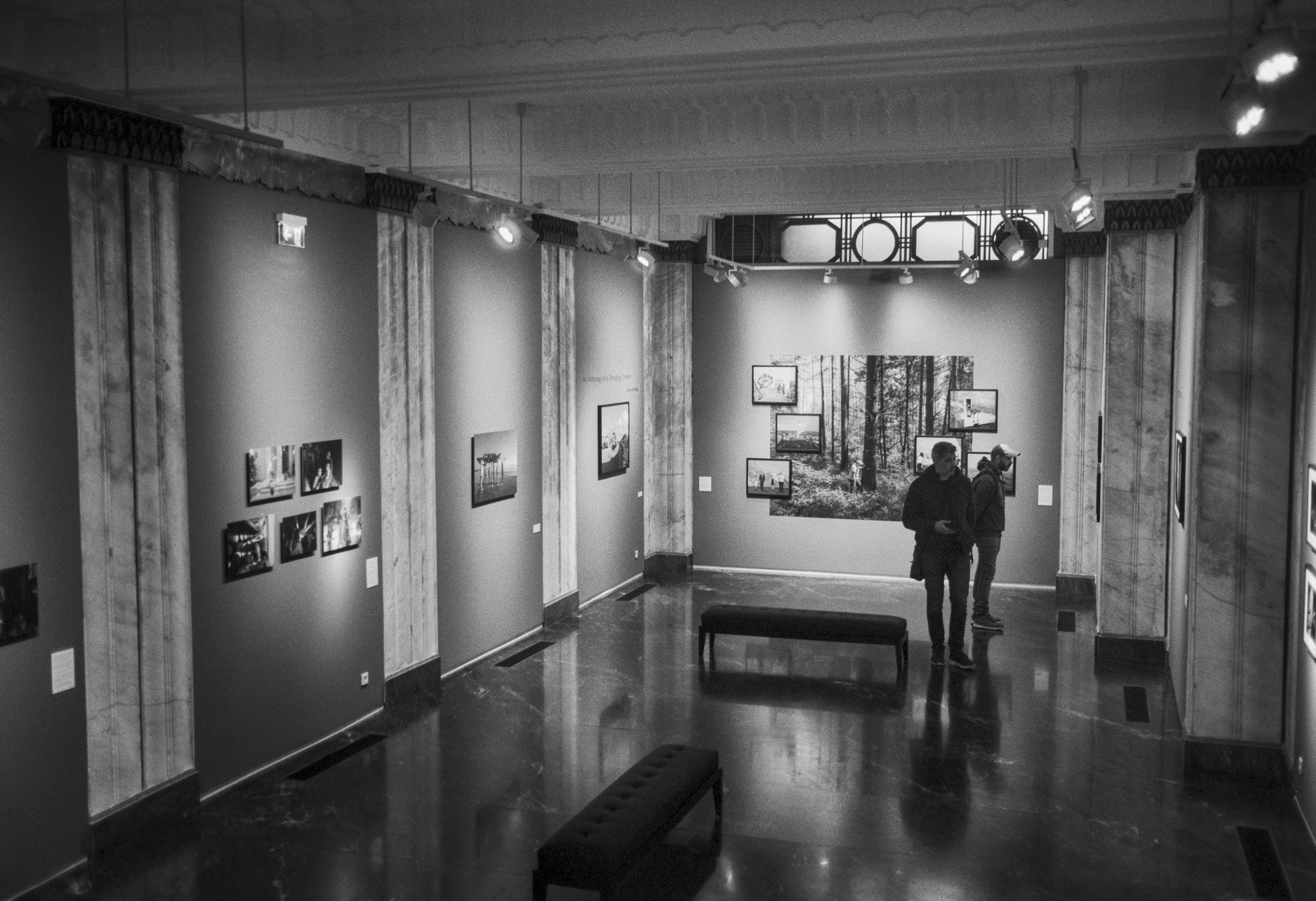
Visiting the Leica Store in Porto was the fulfillment of a dream. Being surrounded by so many different cameras and lenses kept me busy for quite a while. And when I was done with those, I headed to the gallery, where I took the photo I’m sharing today. It’s not just a store; it’s a place of worship, of culture, of experience. It’s a philosophy, a different way of doing things. Maybe this sounds too enthusiastic, too much like a fanboy, but the truth is, Leica has changed my life over these past few months.
