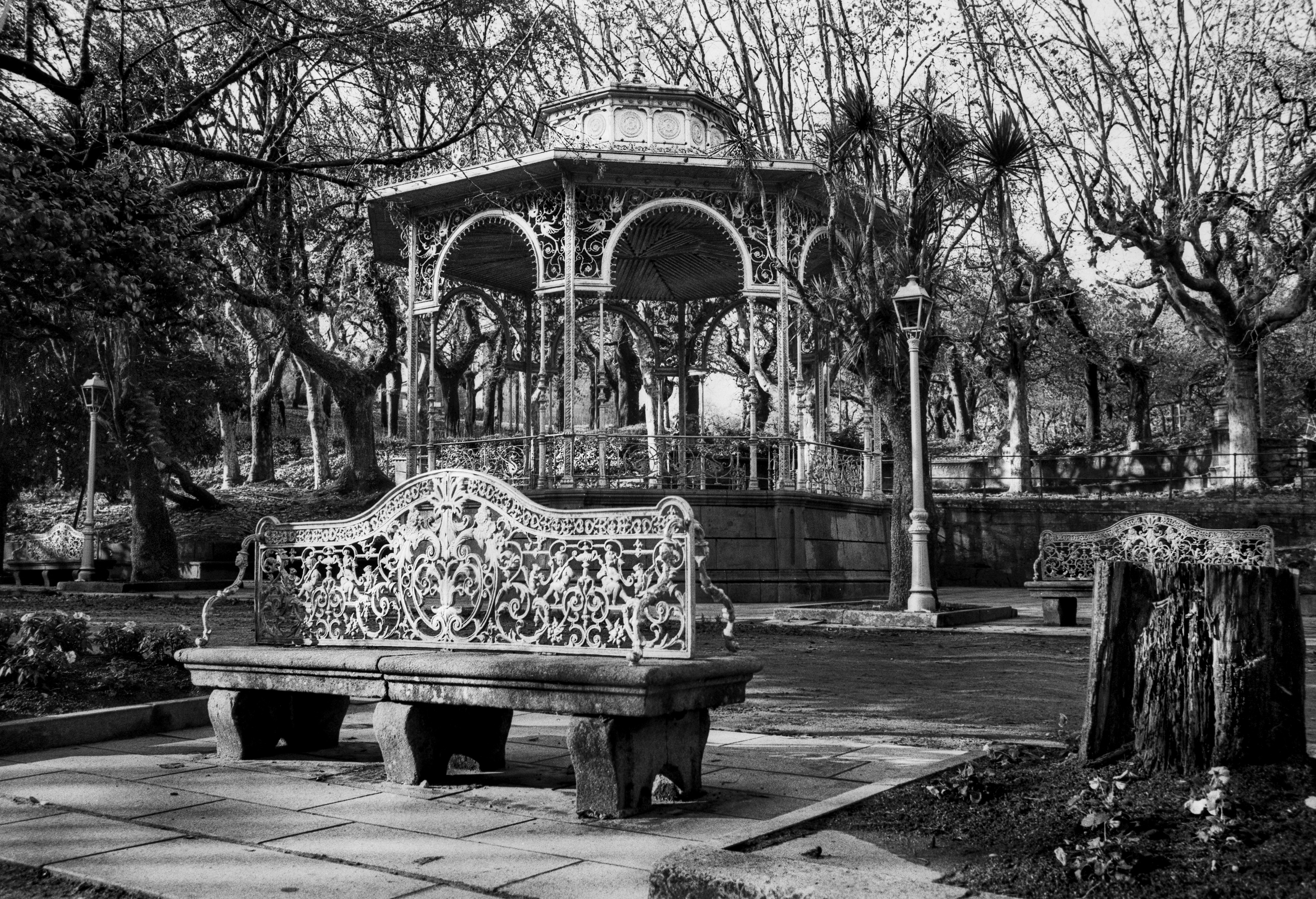
Black and white photography is often instinctively associated with a sense of the past. Of course, that association doesn’t necessarily reflect reality, most black and white images taken today capture themes and subjects rooted firmly in the present. And yet, even when portraying contemporary contexts, monochromatic photography tends to evoke a certain nostalgia.
That doesn’t mean today’s black and white photos look, feel, or behave like old ones. In fact, they often differ significantly, especially digital images, which capture far more detail and realism. It’s relatively easy to distinguish photos from different eras, even when the differences aren’t immediately obvious. Sometimes the context gives it away, other times it’s the clothing, or the design of buildings and interiors. Imperfections in tonal gradation can also hint at a photo’s age, or perhaps the scratches and marks that accumulate over time.
Achieving a “classic” look in black and white photography isn’t something that happens by accident. It often requires intention. Most of the images I’ve shared so far feel unmistakably modern, no one would confuse them with photos from the last century. That’s why the image I’m sharing today holds special meaning for me. Despite being taken just a couple of months ago, it could easily pass as something from the mid-20th century. Through it, I’ve managed to create a subtle sense of time travel.
Being able to transpose a current scene into a historical aesthetic invites us to reimagine those old photographs that seem to come from another world. And once your own reality can adopt a visual language from the past, it becomes easier to imagine the reverse. That’s one of the hidden powers of black and white photography: it opens a door to time travel, adding another layer to the creative process, and offering endless possibilities for exploration.
