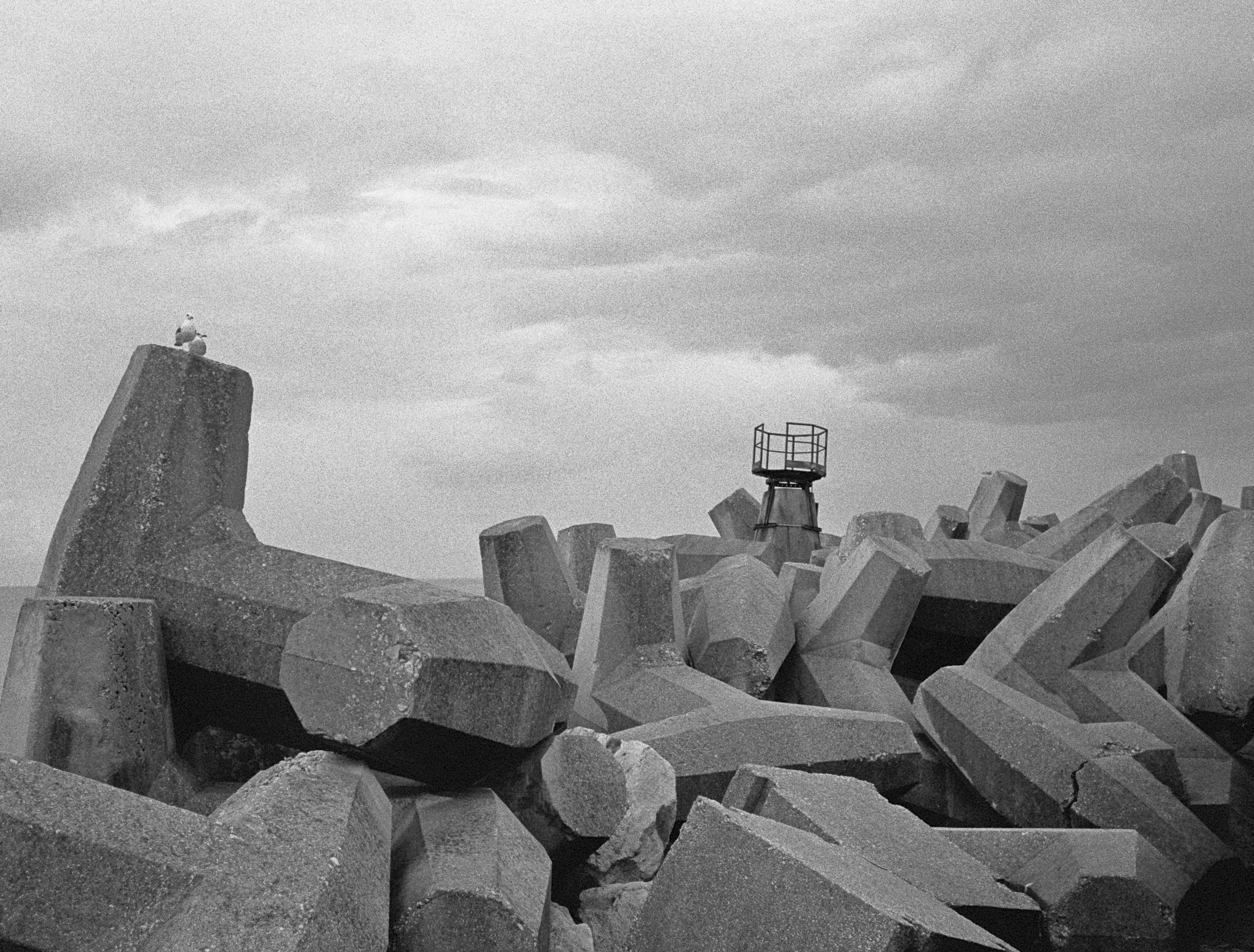
At 46 years old, I can say I have some experience in the world of photography, not so much because I’m an expert (which I’m not), but because I’ve been enjoying it as a hobby for many years. I’ve never been a professional, nor do I have any intention of becoming one. A camera has always accompanied me on walks, hikes, and, of course, on my travels. Thanks to it, I’ve been able to capture many important moments in my life that would otherwise fade away with time. It has been, therefore, a tool that has helped me write my story and preserve it in a lasting format.
Despite how important that function is, photography has always played a secondary role, an accessory, a complement that accompanied me on outings and served a clearly defined purpose, but never really guided or shaped those outings. It’s true that on some occasions, especially when I was trying out a new camera, I would go out specifically to test it, to experiment with its features, to learn how to use it. But those were isolated, anecdotal moments. After that, it simply became a tool.
When I first got my Leica M6 a few months ago, something similar happened. That first outing was purely to test the camera and get a feel for how it worked. Of course, it’s actually a very simple camera: aperture, focus, shutter speed, and framing. Once you’ve tried those four elements, you more or less understand how it works. But unlike previous experiences, the outings that followed were solely dedicated to photography. It wasn’t just a tool that came along for the ride, it became the reason I went out.
And that small anomaly has continued over time. I’ve now been using it for four months, and I’ve never gone on so many outings, trips, and photo walks with the sole purpose of taking pictures. What surprises me the most is that, in reality, it’s a camera that doesn’t offer anything particularly special. It has no zoom, no autofocus, no video, no film simulations, no timelapse, no multiple exposure mode, none of the features you’d expect from a modern camera. It’s incredibly limited in terms of functionality, and yet I’m enjoying photography more than I ever imagined I would.
Of course, it has its drawbacks. Let’s be honest, film quality is noticeably inferior to that of a good modern sensor. The amount of detail can’t compare; as soon as you zoom in a bit, you’re faced with a sea of grain and softness, although, admittedly, it’s aesthetically pleasing. Film is a limited medium, developing takes time and money, scanning even more, and losing the occasional roll is almost inevitable. It might seem like an exercise in masochism, and there are times I wonder if I made a mistake by choosing an analog camera. But then I reflect on how much I’ve used it, how motivated it’s made me feel, how much excitement and dedication I’ve poured into it since the day I got it, and I’m absolutely convinced that if I had bought a digital camera instead, the experience wouldn’t have been the same. Not the same intensity, not the same involvement. Shooting film demands a lot from the photographer; it intensifies the experience and requires full concentration.
Surely there are other reasons why I’m enjoying this new phase so much. Using the Leica M6 is a pleasure in itself. Shooting in black and white is both a learning process and a challenge. Using photography as an excuse to discover new places makes the activity twice as rewarding. And, of course, building an album of images you’re truly proud of is an immense source of motivation. Everything adds up, and all these elements feed into each other.
I don’t know what the future holds, whether I’ll continue shooting film for a long time, whether I’ll switch to a digital Leica, or whether I’ll eventually get tired of all the trips and photo outings and turn to something completely different. But what I do know is that I’m living one of the most intense and fulfilling experiences of the past few years. And even if it only lasted these four months, I’d already be eternally grateful to my little Leica.
